Introduction: The Market Paradox
If you are following or consuming NAD+ (Nicotinamide Adenine Dinucleotide) anti-aging products, today’s analysis may completely overturn your understanding of NAD precursors.
NAD anti-aging product searches have risen by 133%, yet transaction volumes have decreased by 48%. Why does this market paradox exist? Why are there so many American NAD+ products on the market, but direct NAD+ supplements are rarely seen in US pharmacies, while shelves are stocked with another ingredient, NR (Nicotinamide Riboside)?
Today, we will use the four truths confirmed by scientific findings to reveal the scientific and regulatory dynamics behind the choice of NAD precursors.
Truth One: Direct Oral Intake of NAD+ is Largely Ineffective
First, we must establish an industry consensus: direct oral supplementation of NAD+ is an ineffective route.
- The Molecular Barrier is the Core Issue:
- A 2021 article published by PMC (National Center for Biotechnology Information) advised that the NAD+ molecule is too large and charged to penetrate the cell membrane.
- After oral intake, it is broken down into fragments in the digestive tract, making it difficult to reach the cells.
- Related research conclusions in a 2025 publication in Natural Metabolism explicitly stated that direct NAD+ supplementation has almost no significance in raising internal cellular concentrations.
- The Precursor Pathway is the Only Effective Solution:
- Industry consensus holds that precursors are the only effective activation pathway.
- David Sinclair, the tenured professor at the Harvard Aging Center who propelled NAD to fame, repeatedly emphasized that NAD+ must be activated via a precursor.
- Oral NAD+ supplementation is “throwing money down the drain”.
Truth Two: During the NMN Restriction, NR Became the “Optimal Substitute”
Since direct NAD+ supplementation is ineffective, the scientific community shifted focus to its precursors. Despite NMN (Nicotinamide Mononucleotide) being a direct precursor to NAD+, during the FDA restrictions, those aware of NAD’s mechanisms clearly chose NR.
NR became the “optimal substitute” based on three key advantages:
- Clear Conversion Pathway and Proven Efficacy: NR enters the cell via transporters, is converted to NMN, and finally synthesized into NAD+. Its efficacy has been confirmed by multiple clinical trials.
- Safety Confirmed by Human Trials:
- An article published by PMC (National Center for Biotechnology Information) in 2023, and a 2025 randomized controlled trial conducted by the Mayo Clinic (a globally leading private hospital) focusing on elderly women, showed that long-term use of NR (1000 mg daily) did not result in severe adverse reactions.
- Cost and Supply Stability:
- NR synthesis is mature, and its price is only one-third that of NMN.
- Furthermore, NR has never been listed as a drug by the FDA, ensuring stable supply without policy risks.
Truth Three: NR’s Potential Flaws and NMN’s Regulatory Reversal
However, further scientific research proves that NR is not perfect. It exhibits clear efficiency bottlenecks and a potential “Dose Trap.”
1. NR’s Efficiency Bottleneck and Dose Trap
- The Enzyme Bottleneck: NR requires NRK enzyme (Nicotinamide Riboside Kinase) conversion. In older adults, NRK enzyme activity decreases, which may render NR’s conversion efficiency unsatisfactory.
- High-Dose Warning: A 2025 study warning issued by OUD success suggested caution when using high doses of NR (equivalent to 2.4 grams daily) in the context of atherosclerosis. The authors suggested this might be related to the soaring levels of CD38 and the pro-inflammatory factor TNF-6 (TNF) in cells.
2. NMN’s Regulatory Reversal and Irreplaceability
The limitations of NR underscored the significance of NMN’s “return to the throne”:
- Regulatory Reinstatement: In September 2025, the FDA officially restored NMN’s legal status.
- Scientific Advantage—Direct Pathway: NMN’s advantage lies in its directness and tissue tropism. It does not require NRK enzyme conversion, effectively bypassing the efficiency limitations NR encounters in the elderly.
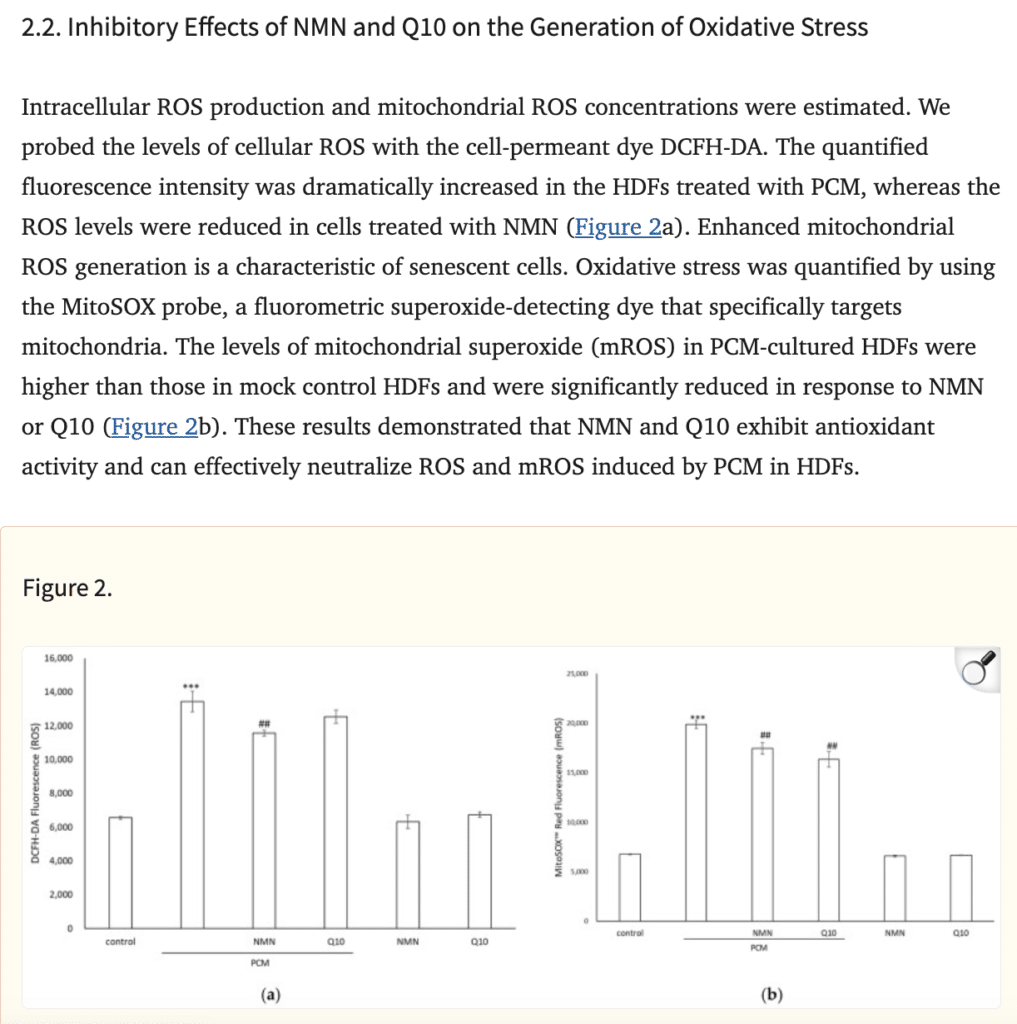
- Overwhelming Efficiency: Multiple 2025 studies, including those published in MDPI, confirmed that NMN’s efficiency in activating dermal fibroblasts exceeds NR by 300%.
The Common Challenge: The AMPK Sensor
Although NMN is currently the optimal choice among all NAD-related products, it shares a common flaw with all NAD precursors: it is affected by the AMPK cell energy sensor.
- Dual Effect: Literature published in 2025 by a globally renowned academic authority mentioned that AMPK can both replicate and block NMN effects.
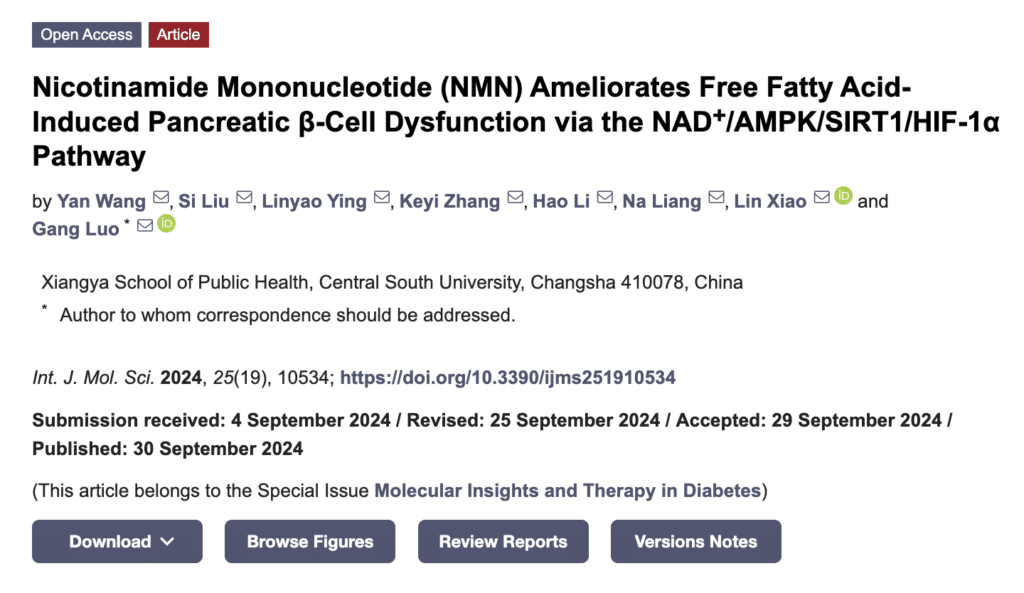
- The “Non-Response” Phenomenon: When the body suffers from chronic inflammation, the AMPK sensor may lose its sensitivity, leading to a “non-response” phenomenon where the NMN component is ineffective in the body. This explains why some people see obvious effects, while others feel nothing after taking it.
- Emerging Solution: To address this challenge, some laboratories have developed a new solution called K25 using bio-combination and self-prepared technology, which is already commercially available.
Consumer Choice: The Trade-off Between Age and Cost
Based on a small, personal survey conducted by the author (which holds no statistical significance and constitutes no recommendation), consumer choices are generally segregated:
| Consumer Group | Preferred Choice | Core Reason | Drawback |
|---|---|---|---|
| Younger individuals (especially fitness enthusiasts) | NR | Cheaper; safety has been fully certified. | – |
| Individuals over 40 with better financial means | NMN (Precursor) | Bypasses the NRK restriction directly. | High cost. |
Now, perhaps it is time to check the label on your NAD supplement bottle—is the ingredient NAD+, NR, or NMN?