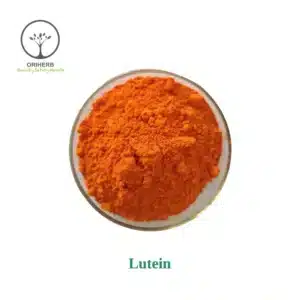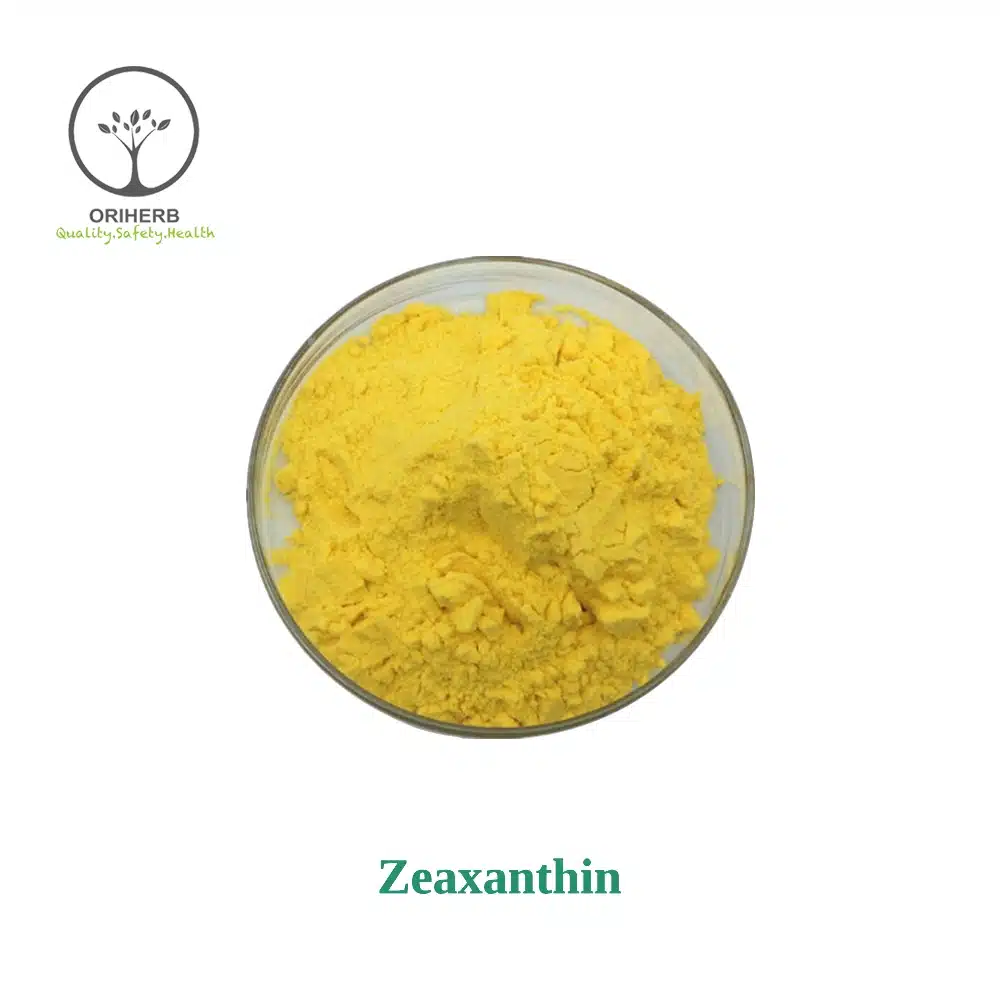
Zeaxanthin is a natural carotenoid found in marigold flowers and various vegetables, playing a crucial role in protecting the macula of the human eye. Alongside lutein, it forms the macular pigment, which absorbs harmful blue light and prevents oxidative damage to the retina.
Key Features:
High Purity: Available up to 80% by HPLC
Natural Extraction: From non-GMO marigold flowers
Multiple Formats: Powder, beadlets, microencapsulation for enhanced stability
Stable Quality: Meets USP/EP standards
Eye Protection: Reduces the risk of age-related macular degeneration (AMD)
Blue Light Filtering: Ideal for people with prolonged screen exposure
Antioxidant: Neutralizes free radicals, reduces oxidative stress
Skin Health: Helps protect against UV-induced skin damage
GMP, ISO, HACCP-certified manufacturing
Pesticide and heavy metal limits compliant with EU/US regulations
Custom formulations available (oil suspension, water-dispersible)
Consistent global supply with competitive pricing
| Specification | Qualified Testing Result | Actual Testing Result | Test Method |
|---|---|---|---|
| Part 1. Physical & Chemical Analysis | |||
| Appearance | Orange-yellow crystalline powder | Complied | Visual |
| Odor & Taste | Characteristic | Complied | Organoleptic |
| Zeaxanthin Content | ≥20.0% | 20.5% | HPLC |
| Loss on Drying | ≤5.0% | 2.2% | USP <731> |
| Ash | ≤5.0% | 1.6% | USP <281> |
| Part 2. Heavy Metal Analysis | |||
| Total Heavy Metals | ≤10 ppm | Complied | AAS |
| Lead (Pb) | ≤3 ppm | <0.5 ppm | ICP-MS |
| Arsenic (As) | ≤1 ppm | <0.1 ppm | ICP-MS |
| Cadmium (Cd) | ≤1 ppm | <0.05 ppm | ICP-MS |
| Mercury (Hg) | ≤0.1 ppm | <0.01 ppm | ICP-MS |
| Part 3. Microbiological Analysis | |||
| Total Plate Count (cfu/g) | ≤1,000 | <100 | USP <61> |
| Yeast & Mold (cfu/g) | ≤100 | <10 | USP <61> |
| E. coli | Negative | Negative | USP <62> |
| Salmonella (per 25 g) | Negative | Negative | USP <62> |
Nutraceuticals: Capsules, tablets, gummies
Functional Beverages: Eye care drinks, fortified juices
Cosmetics: Anti-aging skincare and sun care products
Pet Supplements: Eye health formulas for companion animals
Q: What is the use of zeaxanthin powder?
A: Zeaxanthin powder is used to support and protect eye health. As a primary macular carotenoid, it concentrates in the very center of the retina (the macula) where it acts as a powerful blue light filter and antioxidant, protecting delicate photoreceptor cells from damage. This helps to support visual acuity and protect against age-related eye health issues.
Q: What is the difference between lutein and zeaxanthin?
A: Lutein and zeaxanthin are dietary isomers found together in the eye, but they have different roles and distributions:
Distribution: Lutein is dominant in the periphery of the macula, while zeaxanthin is concentrated in the very center (fovea) where visual acuity is sharpest.
Function: Both filter blue light and act as antioxidants, but zeaxanthin is considered a more potent antioxidant in the most critical part of the retina. They work synergistically for comprehensive protection.
Q: What is the best source of zeaxanthin?
A: The richest natural source is goji berries (wolfberries). Other good sources include orange peppers, corn, saffron, and egg yolks. However, it is very difficult to obtain therapeutic doses from diet alone, making a high-quality zeaxanthin powder or supplement the most reliable and concentrated source.
Q: Which is better for eyes, astaxanthin or zeaxanthin?
A: They are not interchangeable; they protect the eye in different ways and locations:
Zeaxanthin is found inside the retina, protecting it from the inside from blue light and oxidative stress.
Astaxanthin cannot penetrate the retina but accumulates in the outer parts of the eye (e.g., ciliary body, extrinsic eye muscles), helping to reduce eye fatigue and support blood flow. For direct protection of the macula and central vision, zeaxanthin is essential. For reducing overall eye strain and supporting eye muscle function, astaxanthin is superior. They are complementary.
Q: What happens if you take too much zeaxanthin?
A: Zeaxanthin is extremely safe, even at high doses. The only known side effect of excessive intake (typically from very high-dose supplements over a long period) is a harmless, temporary yellowing of the skin called carotenodermia. This is not dangerous and will fade once the dosage is reduced. Always adhere to the recommended dosage on the product label.
1kg/aluminium foil bag, with two plastic bags inside.
Gross Weight: 1.5kg Size: 18cmxH27cm
25kg/fiber drum, with two plastic bags inside.
Gross Weight: 28kg Size: 42cmxH52cm Volume: 0.0625mg/Drum.

DHL / FEDEX / EMS / E-PACKET / BY AIR / BY SEA
1. ≤50kg, Express delivery(DHL /FEDEX) recommended, usually called as DDU service;
2. ≤500kg, Air shipping recommended, usually called as CIF service;
3. >500kg, sea shipping recommended, usually called as FOB, CFR, or CIF service;
4. For high value products, please select air shipping and express delivery for safe.