Are you constantly seeing posts about various “anti-aging miracle pills”? From NAD to NMN, they claim to slow down aging and boost energy. But are they really that magical? Before considering trying them, let’s first understand: What exactly are they? Are they worth taking?
Part 1: The Foundation of Longevity: Build Your Health Base First
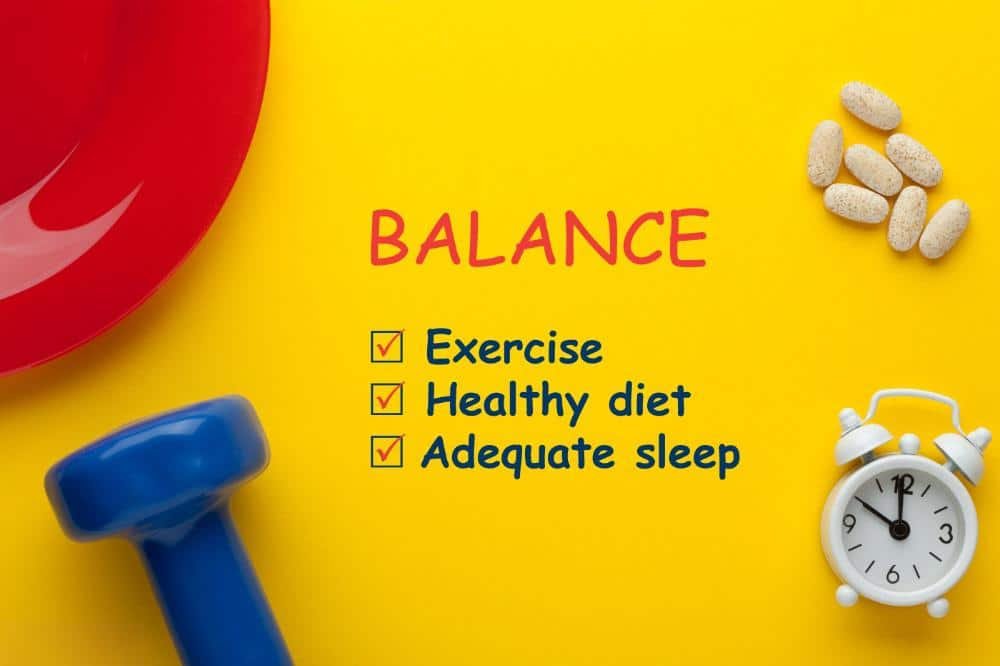
Supplements are like “bonus points” you use to go from a 90 to a 95, not a magic tool to get you from failing to passing. Without a healthy lifestyle as a foundation, even the most expensive supplements will have limited effect.
The real “Pillars of Longevity” are these:
- Sleep: High-quality sleep is the best bodily repair agent.
- Exercise: Weekly recommendations include:
- 180-220 minutes of moderate-intensity cardio (like brisk walking, jogging)
- 1 session of high-intensity interval training (HIIT)
- 2 strength training sessions (at least 6 sets per muscle group)
- Nutrition: A balanced diet is more important than any supplement.
- Stress Management, Social Connection & Sunlight: These seem simple but are crucial for maintaining circadian rhythms and mental health.
💡 Important Reminder: Always consult a doctor before taking any new supplements!
Part 2: NAD: The “Star Molecule” of Anti-Aging
What is NAD?
NAD stands for Nicotinamide Adenine Dinucleotide. You can think of it as the “cellular currency” for energy. Without it, cells can’t produce energy, and life couldn’t exist.
Why is NAD linked to aging?
As we age, our body’s NAD levels naturally decline. It’s like a phone battery degrading over time – cellular functions follow suit. Scientific research has found that decreased NAD is associated with several hallmarks of aging, including:
- Declining mitochondrial function (the cell’s “power plants” age)
- Weakened DNA repair ability
- Reduced efficiency of protein synthesis
The “Magic” of NAD lies in this:
It is key to activating “Longevity Proteins” (Sirtuins). Sirtuins are a class of proteins that can repair cellular damage and delay aging, known as the guardians of cellular youth.
Part 3: NAD Boosters: NR vs. NMN – How to Choose?
Since the NAD molecule is too large to supplement directly, scientists found its “precursors” – NR and NMN – which can convert into NAD within the body.
NR (Nicotinamide Riboside)
- Form: Capsules or tablets
- Dosage: Typically 250-500 mg per day
- Research shows: Can significantly increase blood NAD levels (up to 90%)
- But: Effects on improving exercise capacity and metabolic health are not significant
NMN (Nicotinamide Mononucleotide)
- Form: Powder or capsules
- Important Update: Since 2023, the US FDA has banned NMN from being sold as a dietary supplement because it is undergoing clinical trials as a drug.
- Potential Risk: Animal studies found high doses of NMN might accelerate the growth of certain cancers.
How do the experts use them?
- Dr. Andrew Huberman (Stanford Neuroscientist):
- Takes NR (500 mg) and NMN (1-2 g) daily
- Aim is for “sustained mental and physical energy,” not necessarily “life extension”
- Stresses this is a personal choice, not medical advice
- Dr. Paul Anderson (Functional Medicine Expert):
- Describes the effect of oral NR/NMN as “feeling an energy shift within hours”
- But the effect is much milder than direct NAD injection

Part 4: Direct NAD Injection: Is It Worth Trying?
Some people skip oral supplements and opt for direct intravenous NAD infusion.
What’s the experience like?
- Andrew Huberman tried it when feeling particularly exhausted or during post-illness recovery.
- He described the infusion process as “pretty darn uncomfortable,” with nausea and chest tightness.
- But after completion, he felt “increased vigor and improved sleep quality.”
Considerations:
- High cost (a single session can cost hundreds of dollars)
- Requires administration by a medical professional
- Significant discomfort during the process
- Huberman himself said he might only do it a few times a year.
Part 5: The Truth About Other “Longevity Supplements”
Resveratrol & Grape Seed Extract (GSE)
- Once touted as the “longevity ingredient in red wine”
- Current scientific evidence suggests its effect on human lifespan extension is limited.
- Huberman takes GSE primarily for better blood flow, not anti-aging.
Metformin, Berberine, Rapamycin
These are more potent compounds, typically requiring a doctor’s supervision:
- Metformin: A common diabetes drug; its anti-aging effects remain unproven.
- Berberine: Sometimes called “poor man’s Metformin,” but may cause low blood sugar and headaches.
- Rapamycin: A potent anti-cancer drug. While some experts are interested in its anti-aging potential, it carries a relatively high risk of side effects.
Conclusion: Think of Health Like Building a Skyscraper
- The Foundation & Structure = Sleep, Exercise, Nutrition, Stress Management
- The Advanced Tech on the Top Floors = NAD boosters, pharmaceuticals, etc.
If the foundation is unstable, even the most advanced rooftop equipment can’t prevent the building from collapsing. Similarly, without establishing basic healthy habits, expensive supplements will have limited effect and might even pose risks.
View Supplements Rationally: They might provide an extra boost under certain conditions, but they are by no means a “magic bullet” that reverses aging. Making wise choices based on a solid health foundation is the true path to longevity.
This article synthesizes information from Dr. Andrew Huberman’s podcast, viewpoints from Dr. Paul Anderson, and relevant studies in journals like Cell and Nature. The content is for informational purposes only and does not constitute medical advice.